

Why Oiling Your Hair Might Be Doing More Harm Than Good
Hair oil doesn't hydrate your hair. Scientifically, it can't — oil is hydrophobic, which means it repels water rather than carrying it into the hair shaft. What it does is coat the outside of the hair, and that coating causes more problems than most people realise.
Does hair oil actually hydrate your hair?
No. And this is the part that changes everything.
Hydration in hair means water — specifically, water molecules binding to the keratin proteins inside the hair shaft. Oil cannot do this. It's hydrophobic, meaning it actively repels water. It cannot penetrate the hair shaft in any meaningful way (with one partial exception, below), and it cannot bind to keratin the way water-based ingredients can.
What oil does is coat the cuticle — the outermost layer of the hair shaft. That coating can temporarily smooth the cuticle down, which is why oiled hair looks shiny in the short term. But shine is not the same as health. And that coating comes with real consequences.
What does the science actually say about oil and hair?
A 2003 study published in the Journal of Cosmetic Science found that coconut oil — the most commonly used hair oil in India — does penetrate the hair shaft to a small degree, due to its low molecular weight. But the same study was clear: this penetration reduces protein loss during washing. It's a protective mechanism, not a hydrating one.
Every other commonly used oil — castor, almond, argan, mustard — has larger molecules and doesn't penetrate at all. It sits entirely on the surface. That surface coating blocks moisture exchange, which is how the hair shaft naturally regulates its own hydration. When you disrupt that process, the hair becomes progressively more dehydrated underneath the oil — even as it looks glossy on the surface.
Why does daily oiling damage your hair over time?
A few things happen when oil sits on the hair and scalp daily:
- Moisture is blocked — the oil coating prevents water from entering the hair shaft, leaving hair dehydrated beneath the surface
- Pollutants accumulate — oil is sticky. In Indian cities, it attracts dust, pollution particles, and environmental debris that sit against the scalp all day
- Scalp balance is disrupted — the scalp already produces its own oil (sebum). Adding more on top feeds Malassezia, the yeast responsible for dandruff, which thrives on lipids
- Washing becomes aggressive — heavy oil requires harsh shampooing to remove, which strips the scalp's natural sebum and triggers overproduction. You end up in a cycle: oil, strip, overcompensate, repeat
- Mechanical damage accumulates — if you're oiling overnight, the friction from your pillowcase against oil-coated hair causes real breakage at the shaft
Is hair serum better than oil for Indian hair?
Yes — and the reason is molecular.
A well-formulated serum uses water-soluble humectants — ingredients like panthenol and glycerin — that actually attract and bind water molecules to the hair shaft. They work with the hair's structure, not against it. They increase moisture content from the outside in, rather than blocking moisture exchange the way oil does.
Serums also protect against UV radiation and heat — two things oil provides zero protection against. In India, where UV exposure is intense year-round, UV damage degrades the keratin structure of hair over time, causing brittleness and colour fade. Oil does nothing to prevent this.
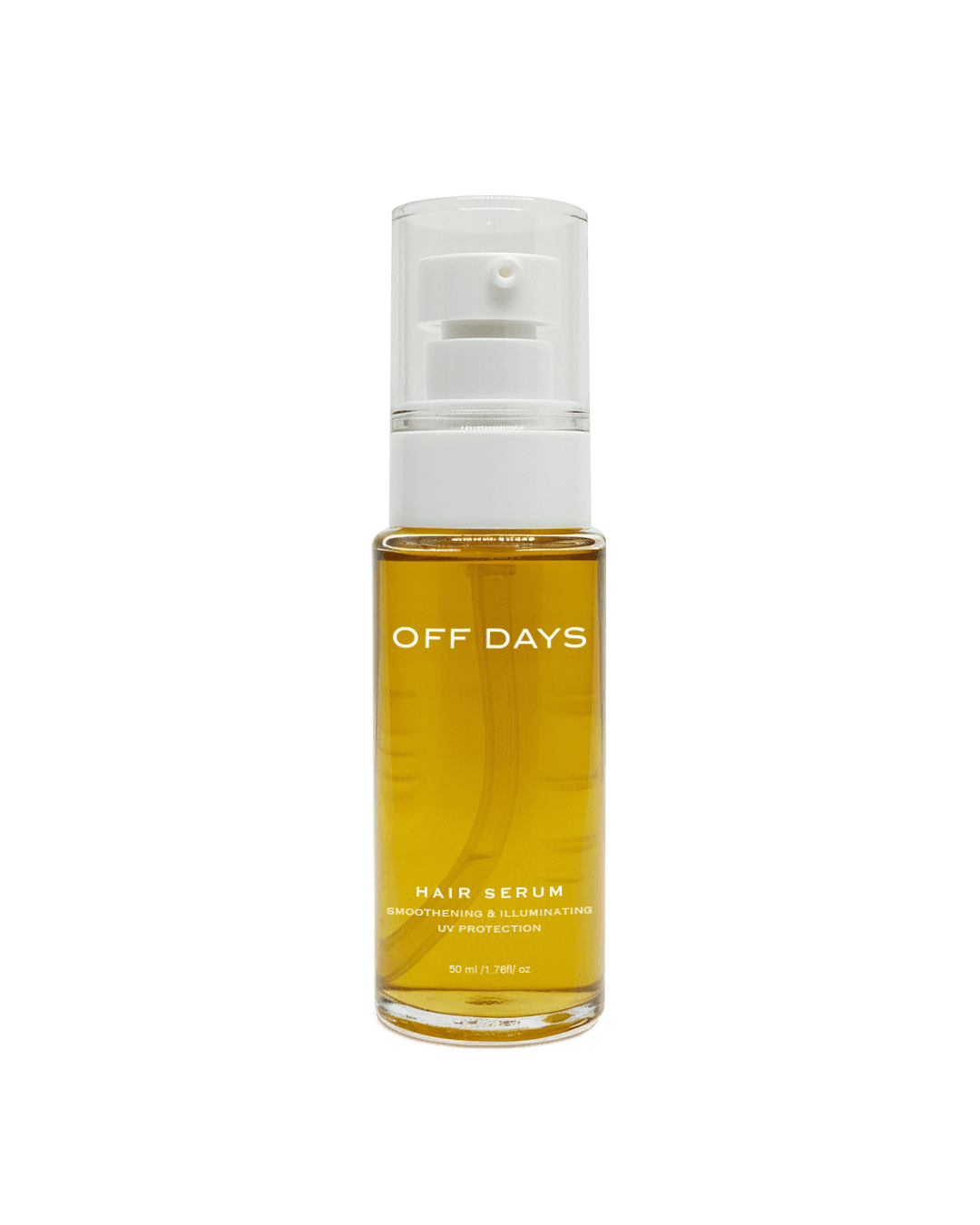
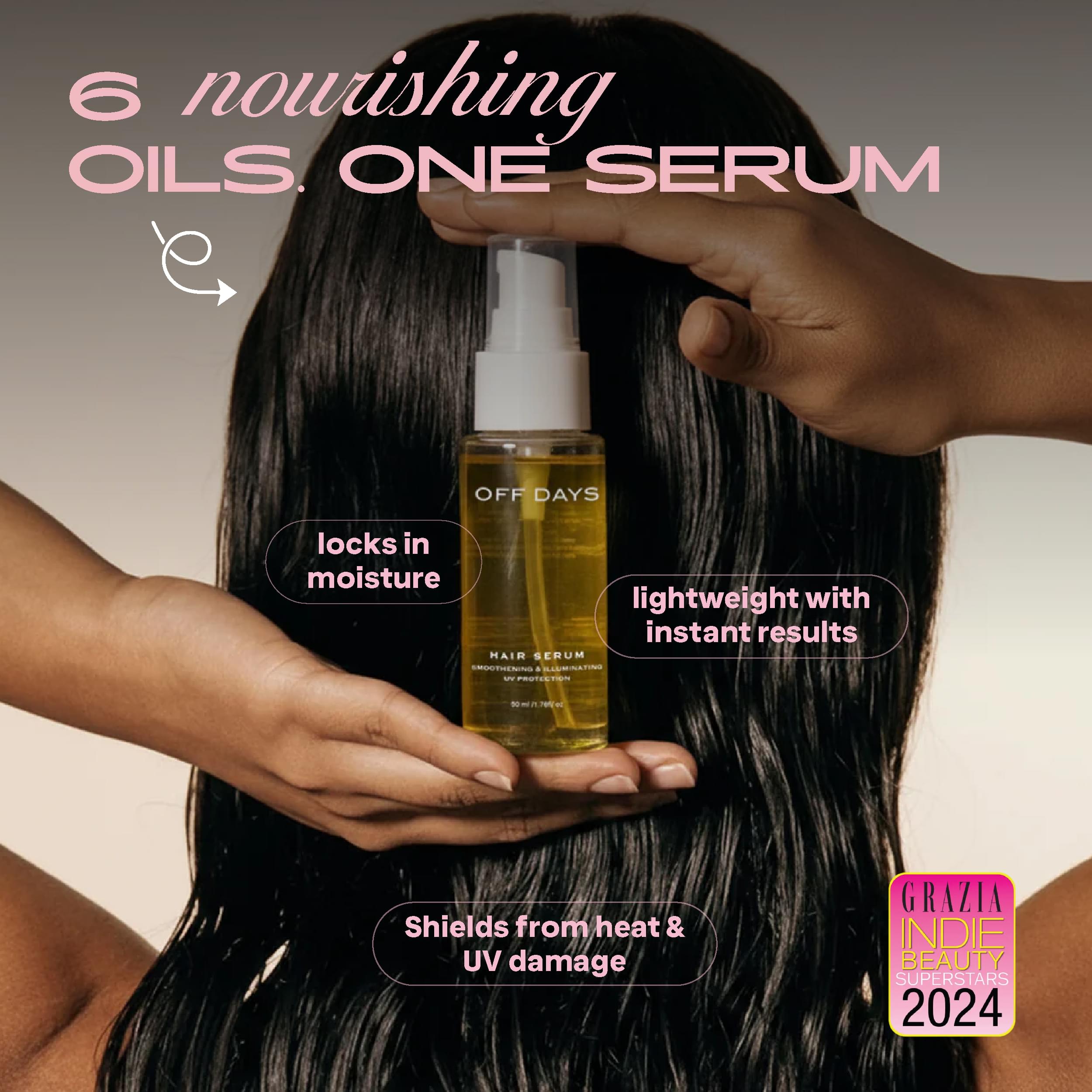
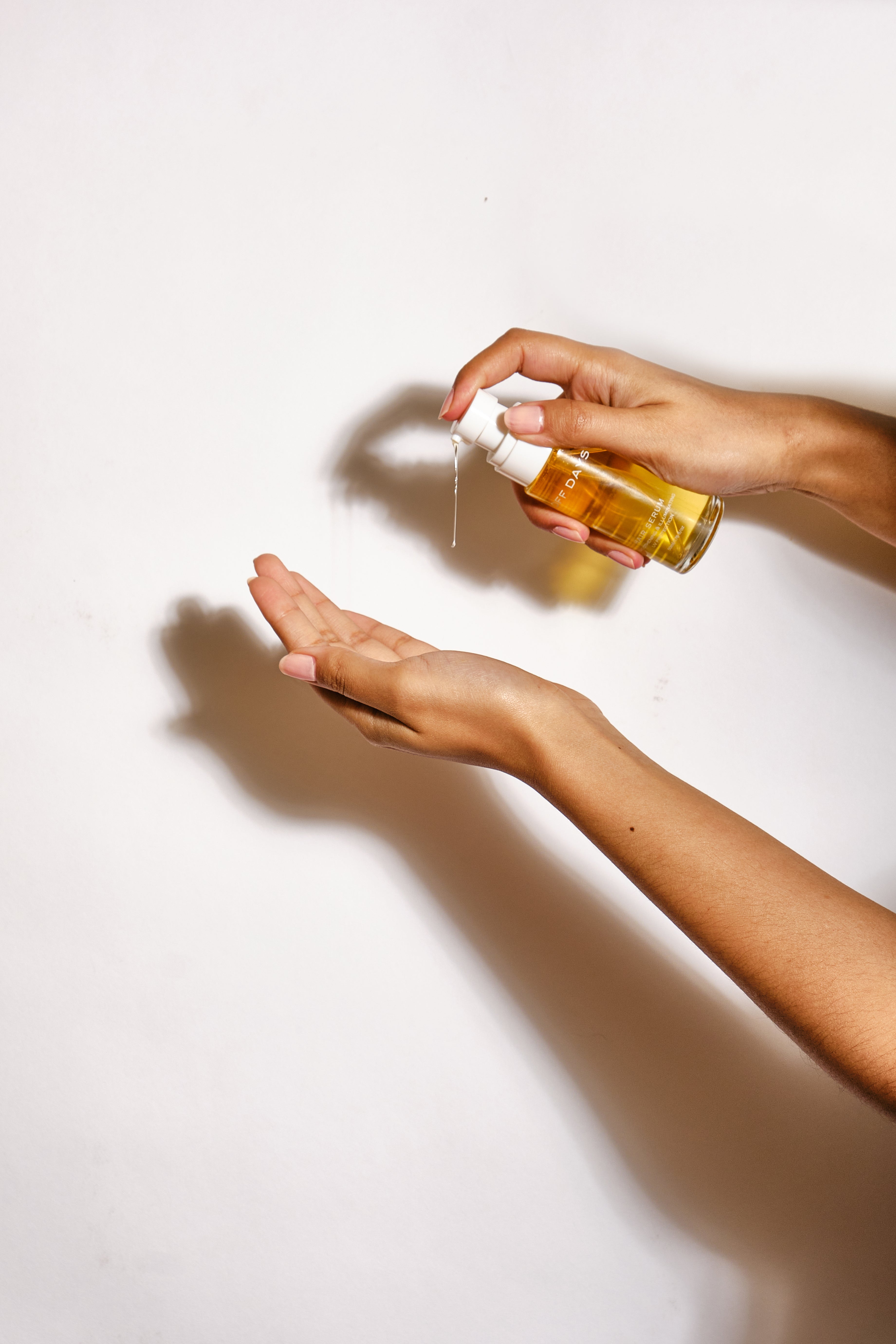
The OFF DAYS UV Protect Hair Serum was developed by Rod Anker — celebrity hairstylist with 15+ years working with Indian hair — specifically to address what Indian hair actually needs: UV protection, frizz control, and lightweight daily hydration without buildup. It won the Grazia Best Hair Serum in India 2024. Shop it here.
What's the right daily routine for Indian hair?
Three steps, done consistently, is all it takes:
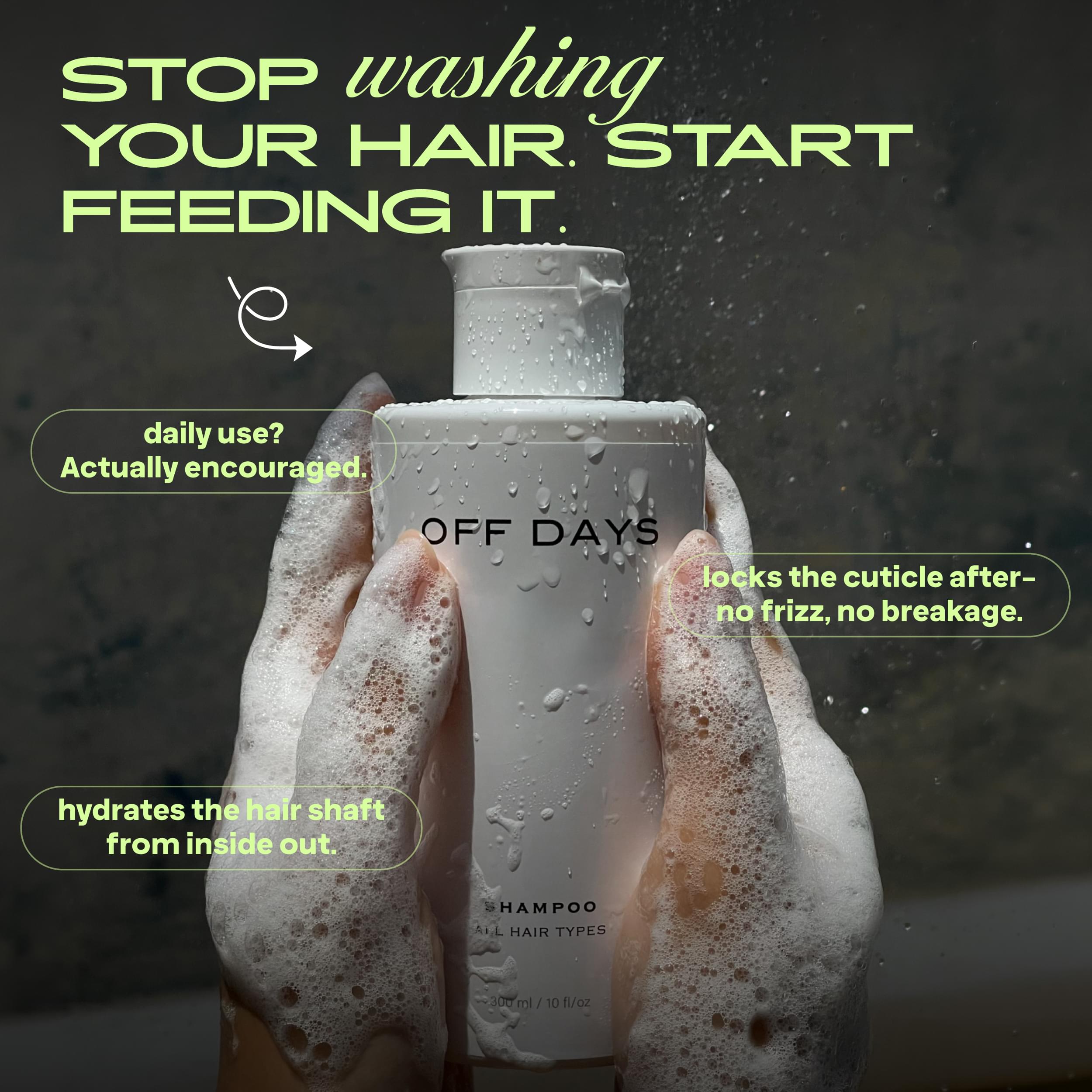
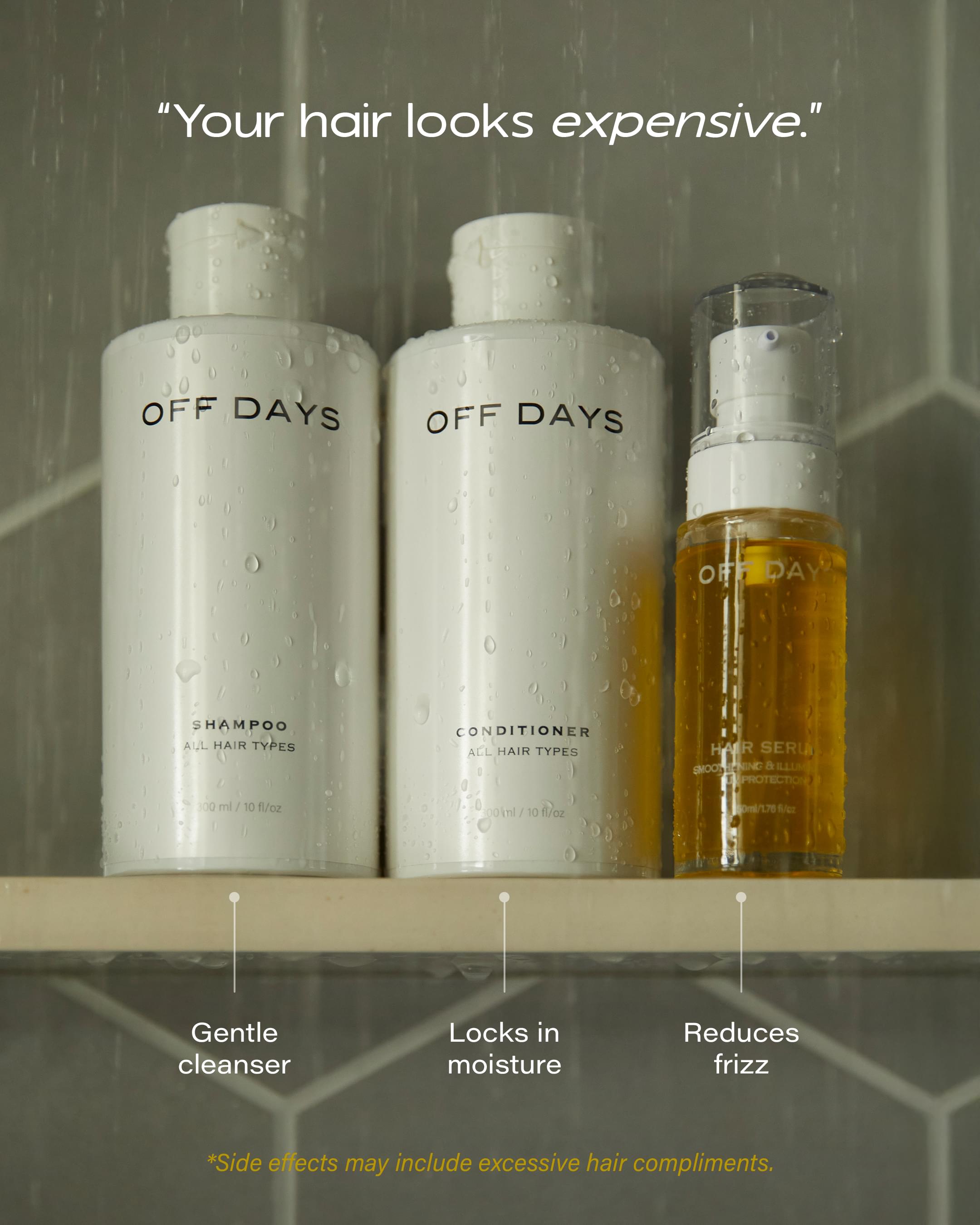
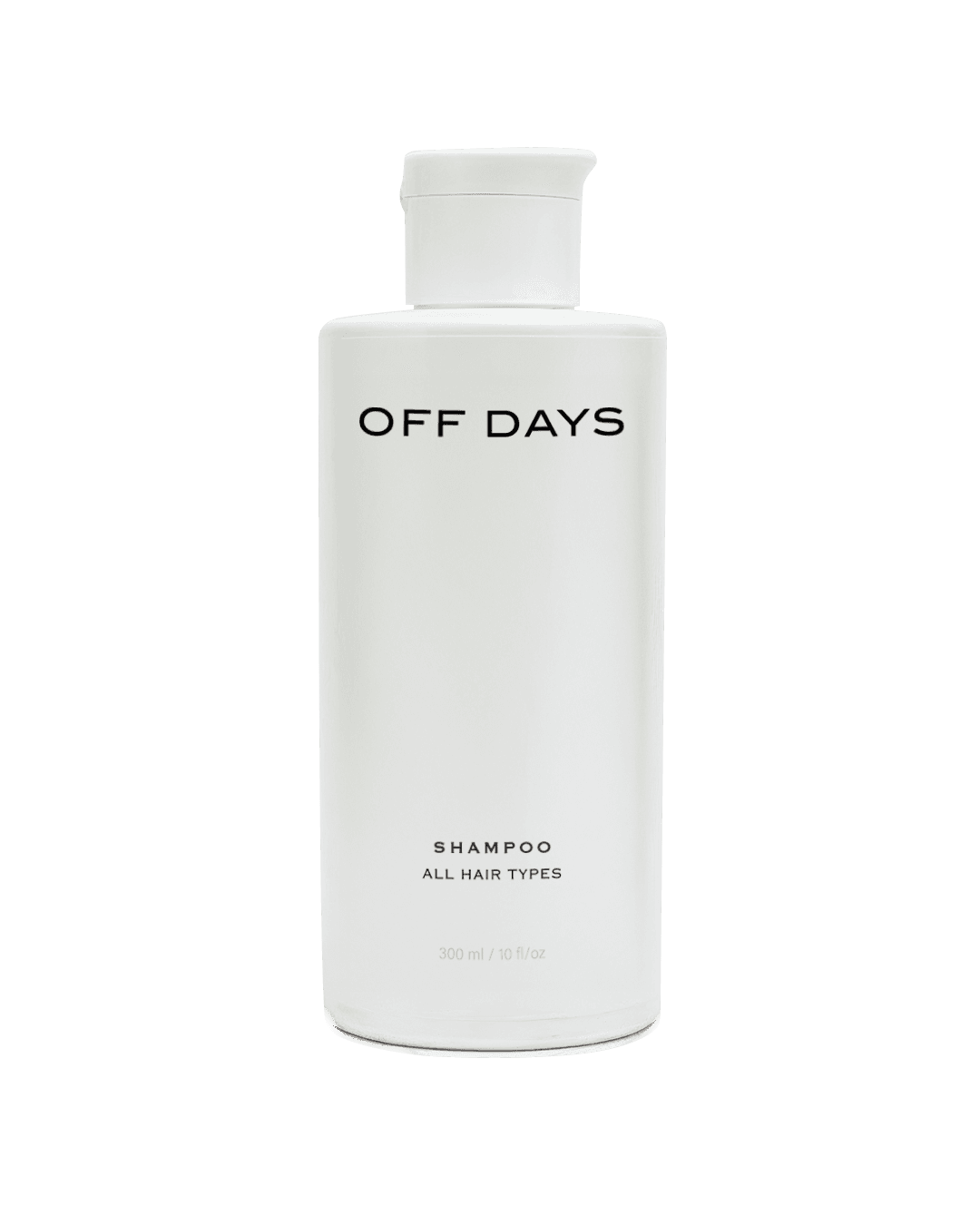
- Cleanse without stripping — sulfate-free shampoo removes buildup without destroying your scalp's lipid barrier. Here's why sulfate-free actually matters for Indian hair.
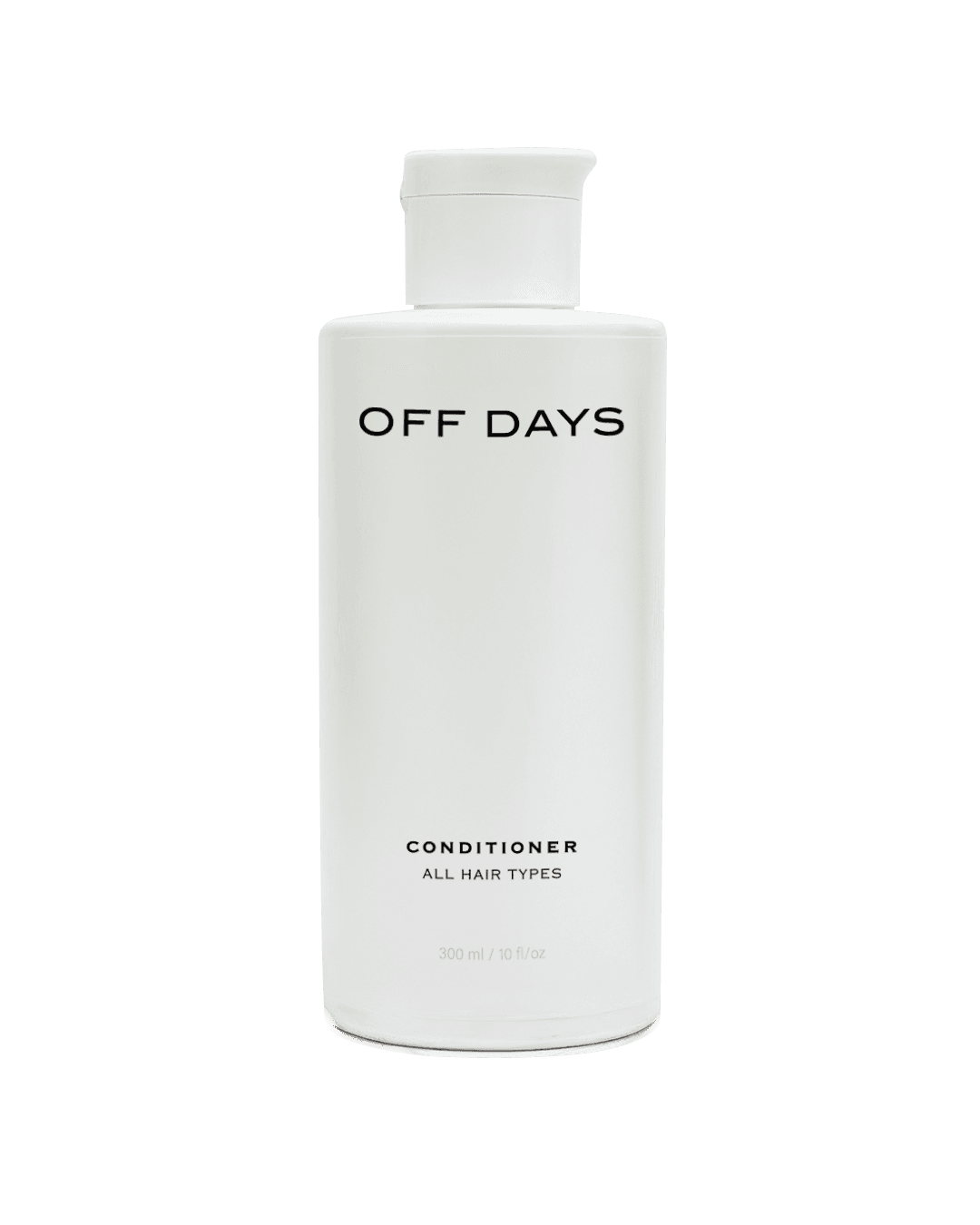
- Condition every single wash — conditioner replenishes what shampoo removes and smooths the cuticle. It doesn't cause hair fall. Rod explains the science here.
- Serum on damp hair — apply before drying, when the cuticle is slightly open and most receptive. It seals in moisture, protects against heat and UV, and gives you the finish oil promises but can't deliver. More on why serum is the one product worth investing in.
What does Rod Anker say about hair oiling?
"The clients who come to me with the most damage — breakage, dullness, scalp issues — are almost always the ones who've been oiling daily. It's not their fault. They were told it was the right thing to do. But oil doesn't hydrate hair. It coats it. And there's a big difference." — Rod Anker, celebrity hairstylist and co-founder of OFF DAYS.
The bottom line
Oil and hydration are not the same thing. Oil is hydrophobic — it cannot carry water into the hair shaft, and it cannot bind to the proteins that give hair its strength and elasticity. What it can do is coat the surface, block moisture exchange, disrupt your scalp's natural balance, and create a cycle of damage that gets harder to reverse the longer it continues.
The switch from daily oiling to a serum-based routine is the single biggest upgrade most people can make for their hair. Not because it's a trend — because the science supports it.
Read more
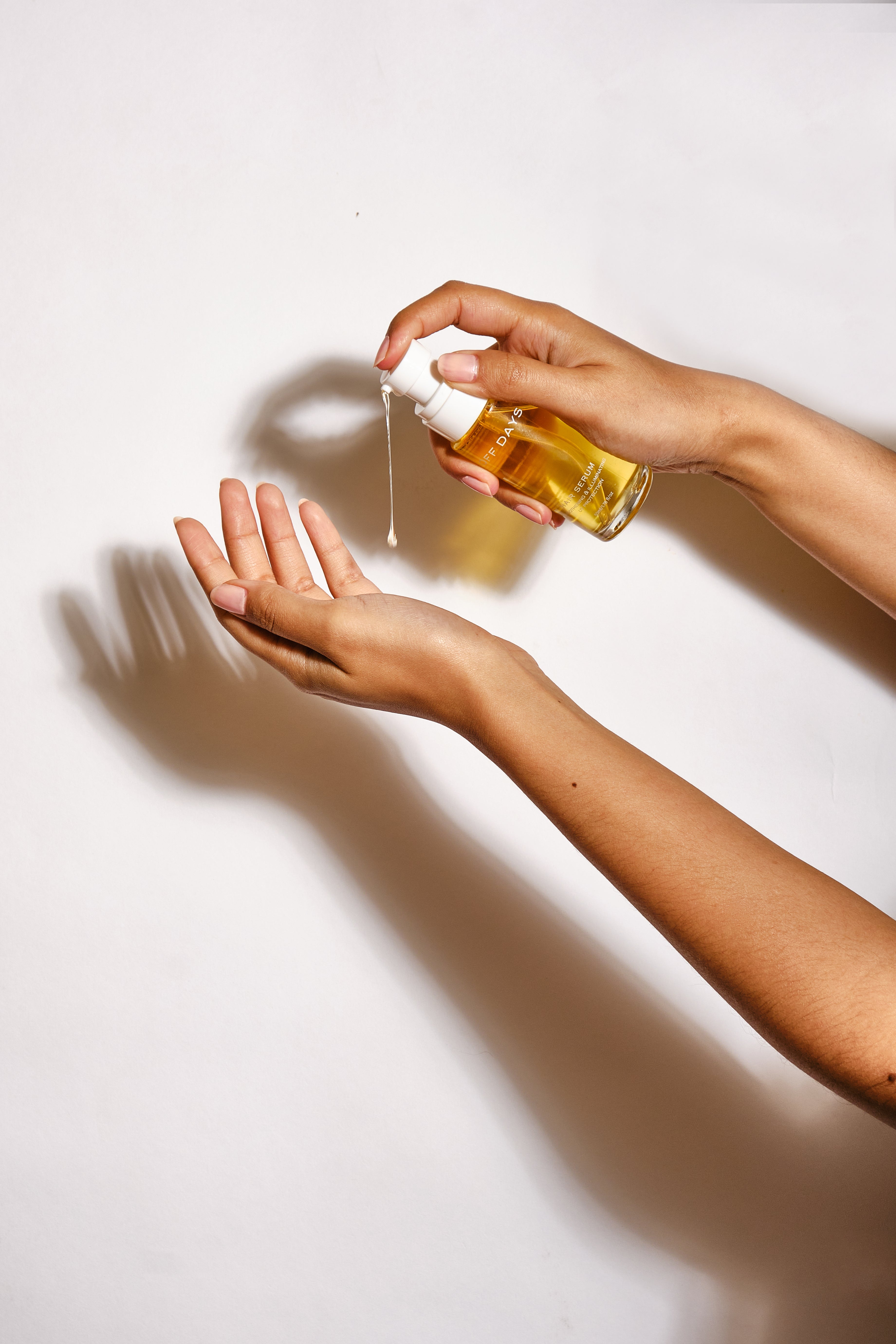
Heat styling isn't going anywhere. But the damage it causes is avoidable — if you know what you're doing. Here's exactly how to protect your hair from heat damage without giving up your routine.
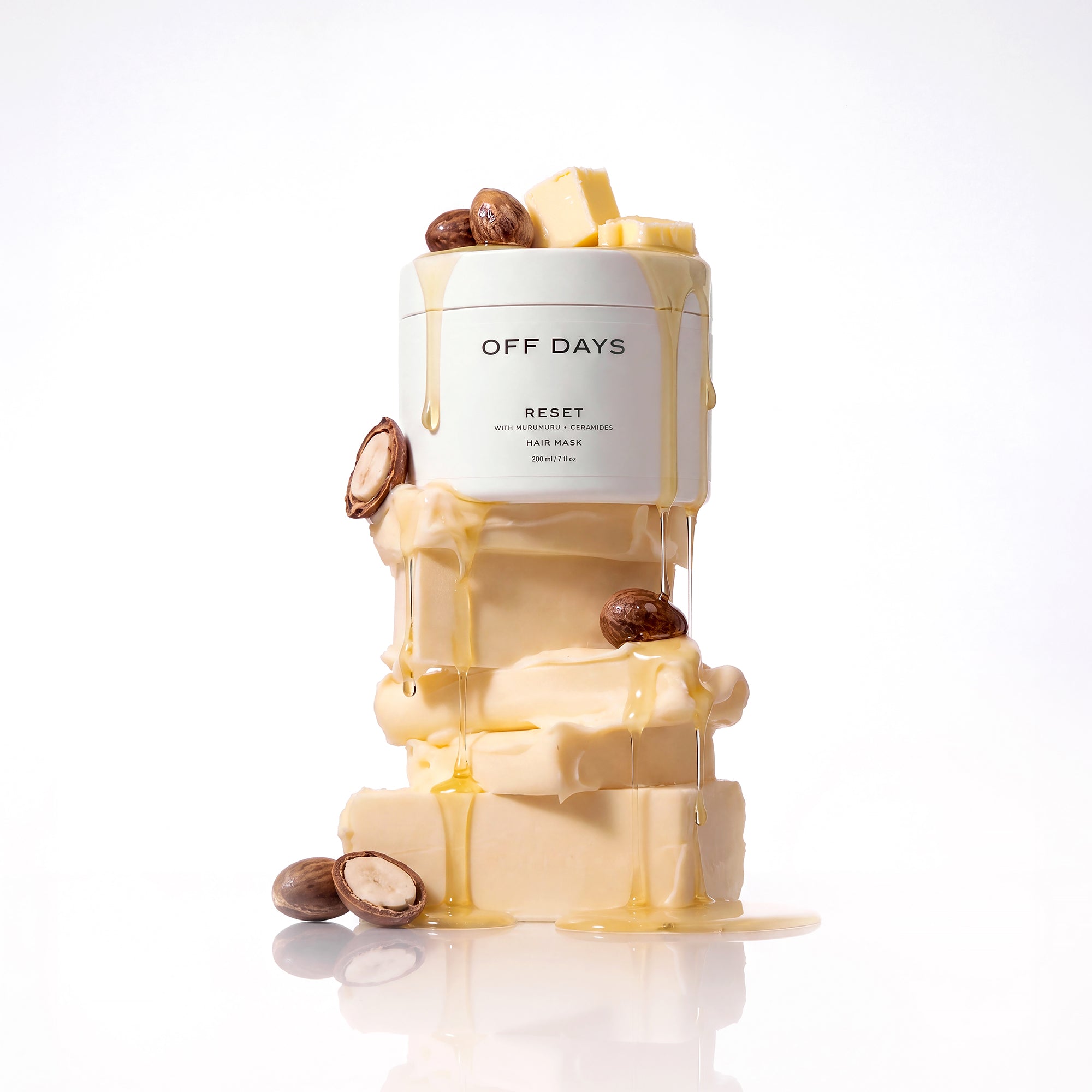
The OFF DAYS RESET Hair Mask is almost here. A weekly treatment that pushes moisture into the hair shaft — not just onto it. Here's what it does, who it's actually for, and when it's coming.