

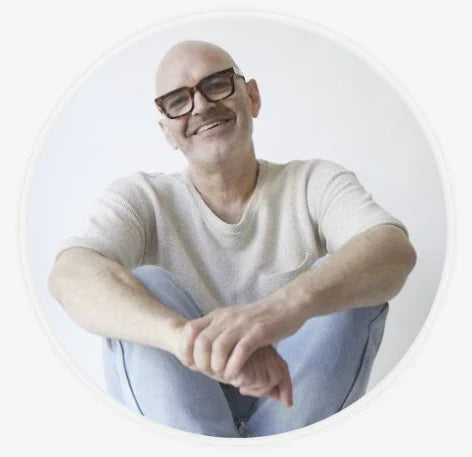
Rod Anker — Co-Founder & Hairstylist Behind OFF DAY
Rod Anker is a hairstylist known for his intuitive approach to hair — one that prioritises long-term health over quick fixes. With years of hands-on experience working with diverse hair textures, treatments, and lifestyles, his philosophy is rooted in simplicity, consistency, and understanding how hair behaves beyond the salon chair. In an industry often driven by trends and excess, Rod advocates for routines that feel realistic, especially in the Indian climate. We spoke to him about simplified hair care, sulphate-free formulas, and the future of everyday hair. He operates out of the bespoke salon in New Delhi under his name sake brand Rod Anker Salon
Q: As a professional hairstylist, what is the most common mistake you see people make with their hair routines today?
Rod Anker: Overdoing it. People are using too many products, layering conflicting advice, and constantly switching routines. In a country like India — where heat, humidity, pollution, hard water, and frequent washing are part of everyday life — hair doesn’t need more stress. It needs balance. The healthiest hair I see is usually the hair that follows a simple, consistent routine.
Q: What shaped your preference for minimal, everyday hair care?
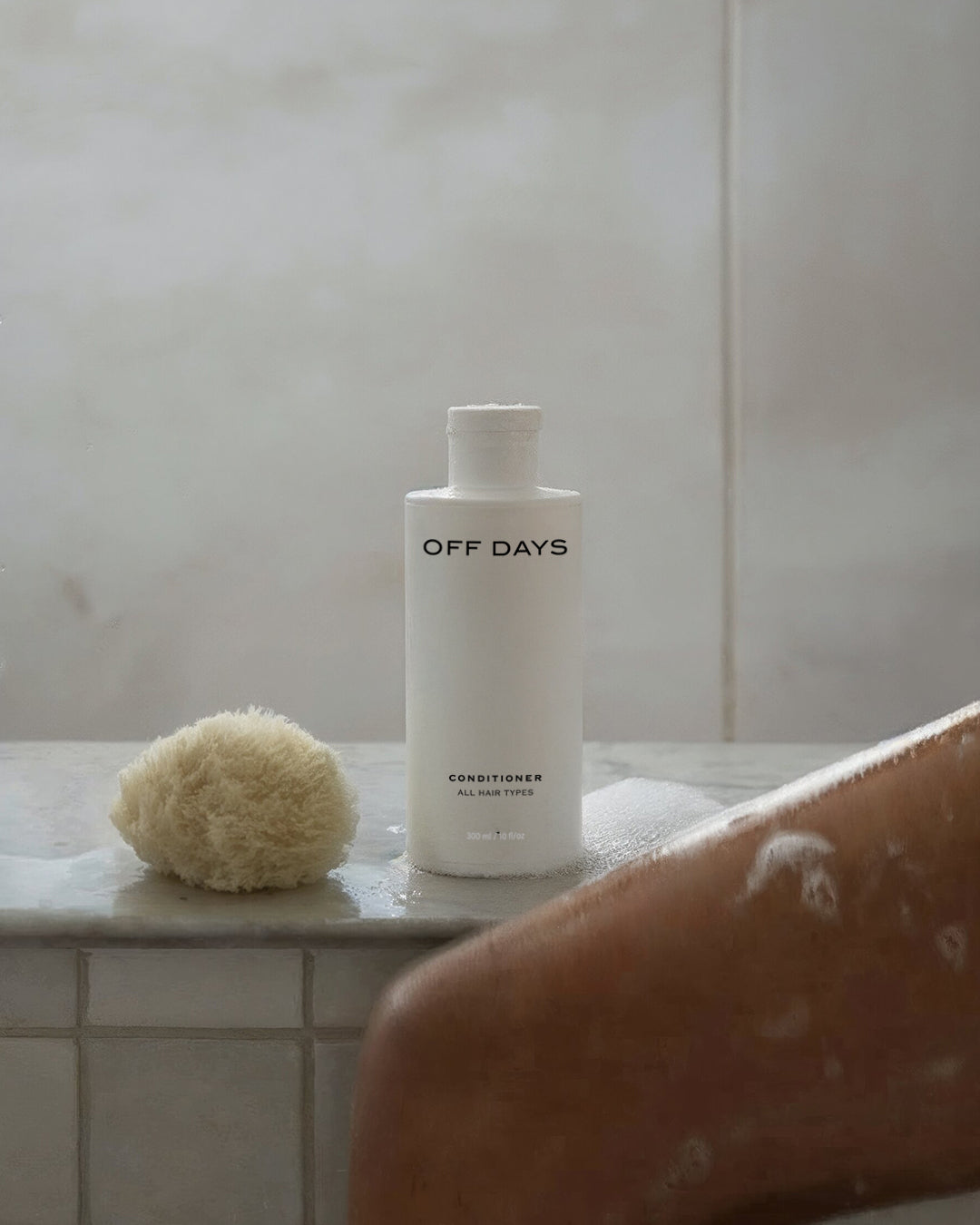
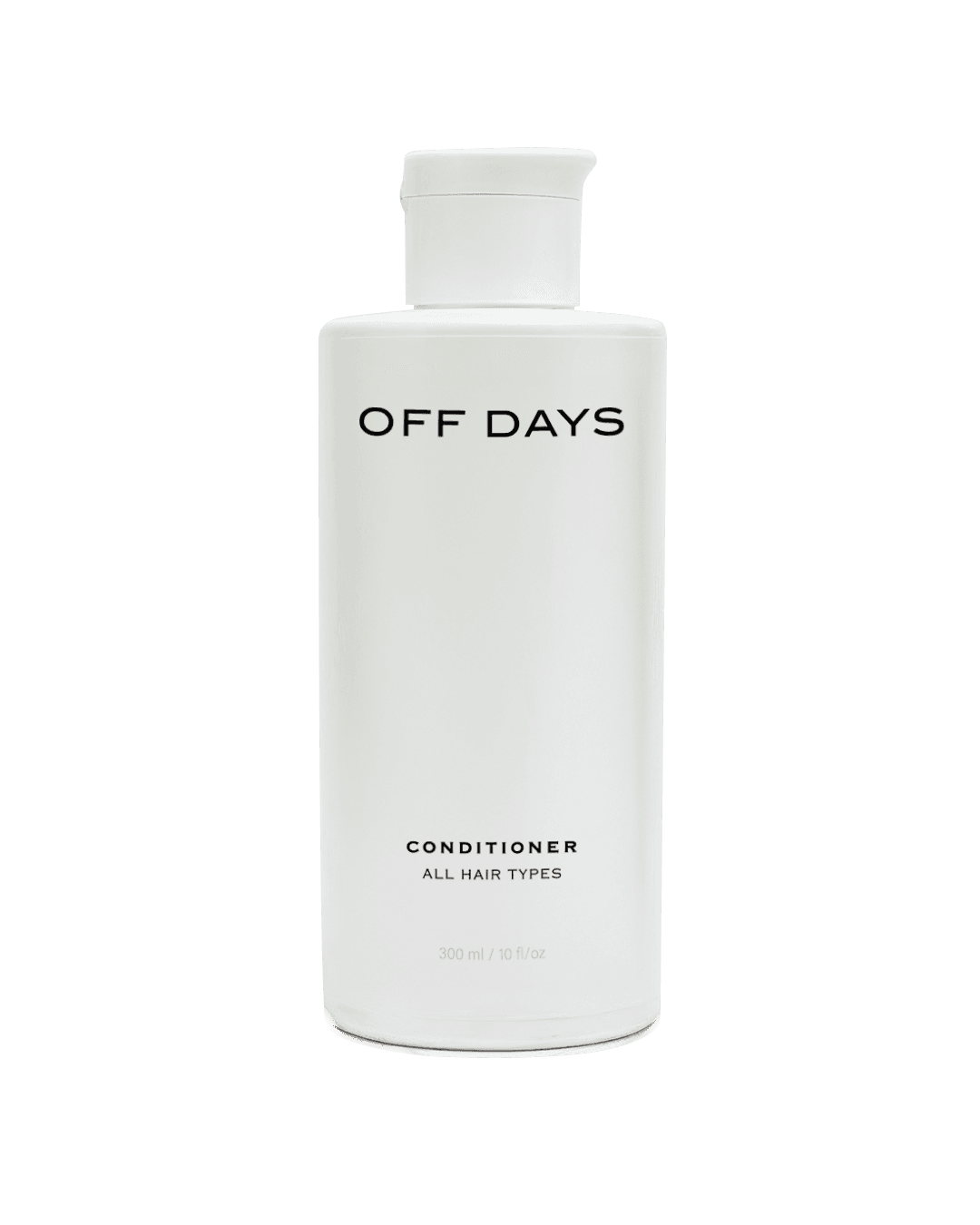
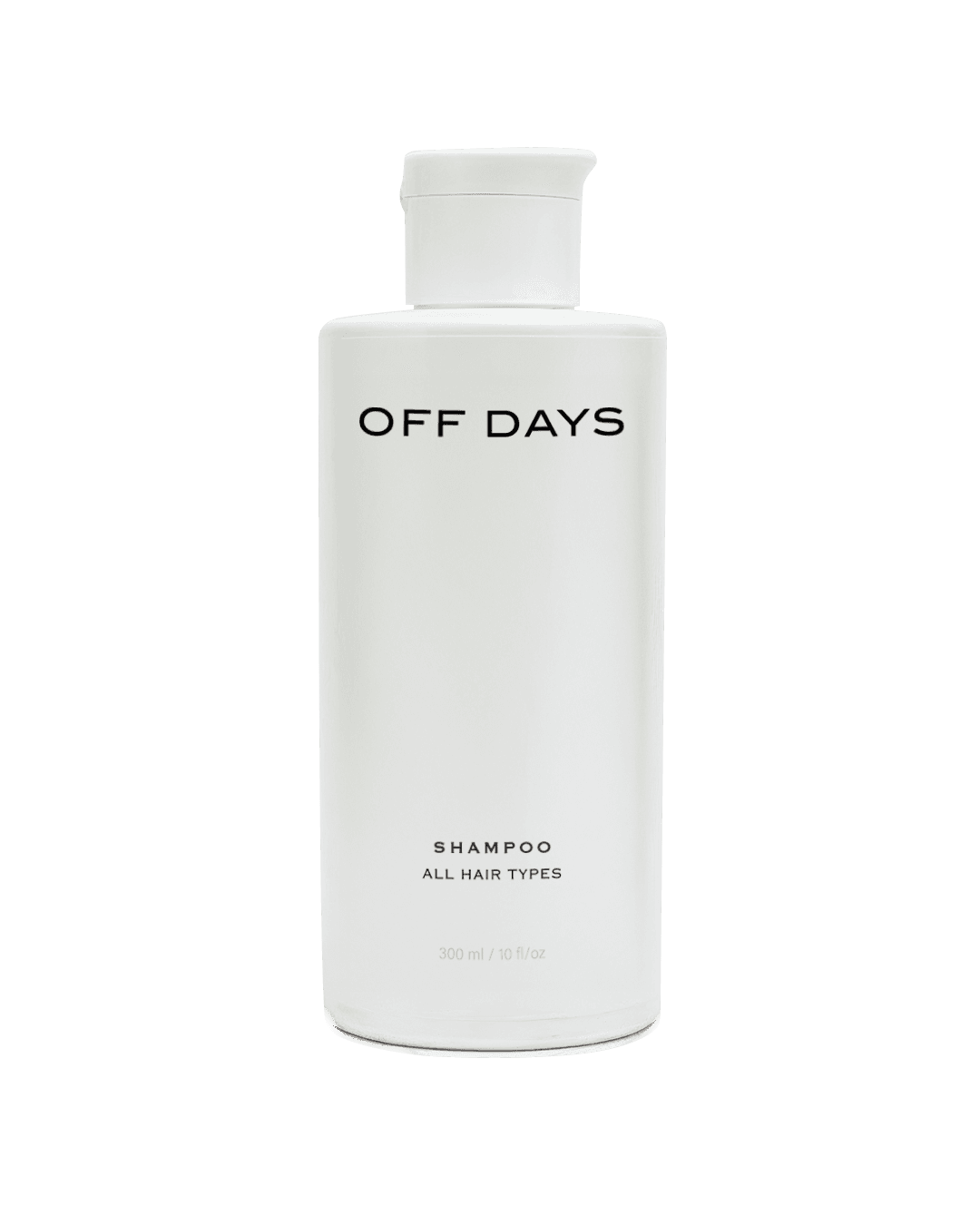
Rod: Years of working with real hair, not just ideal hair. In the salon, we can do intensive treatments, but at home people need products that support hair day after day. That’s where the philosophy behind Off Days resonates with me. It’s not about fixing hair overnight — it’s about maintaining its natural strength, moisture, and manageability over time.
Q: Indian consumers often ask, “Will this work for my hair type?” How do you approach that question?
Rod: Indian hair is incredibly diverse, but the concerns are surprisingly similar — dryness, frizz, breakage, and scalp sensitivity. Regardless of texture, hair needs gentle cleansing, proper hydration, and protection from environmental stressors. When those basics are done right, most hair types respond well without needing an overly complicated routine.
Q: There’s a lot of conversation around sulphate-free formulas. Why does this matter, especially for coloured or treated hair?
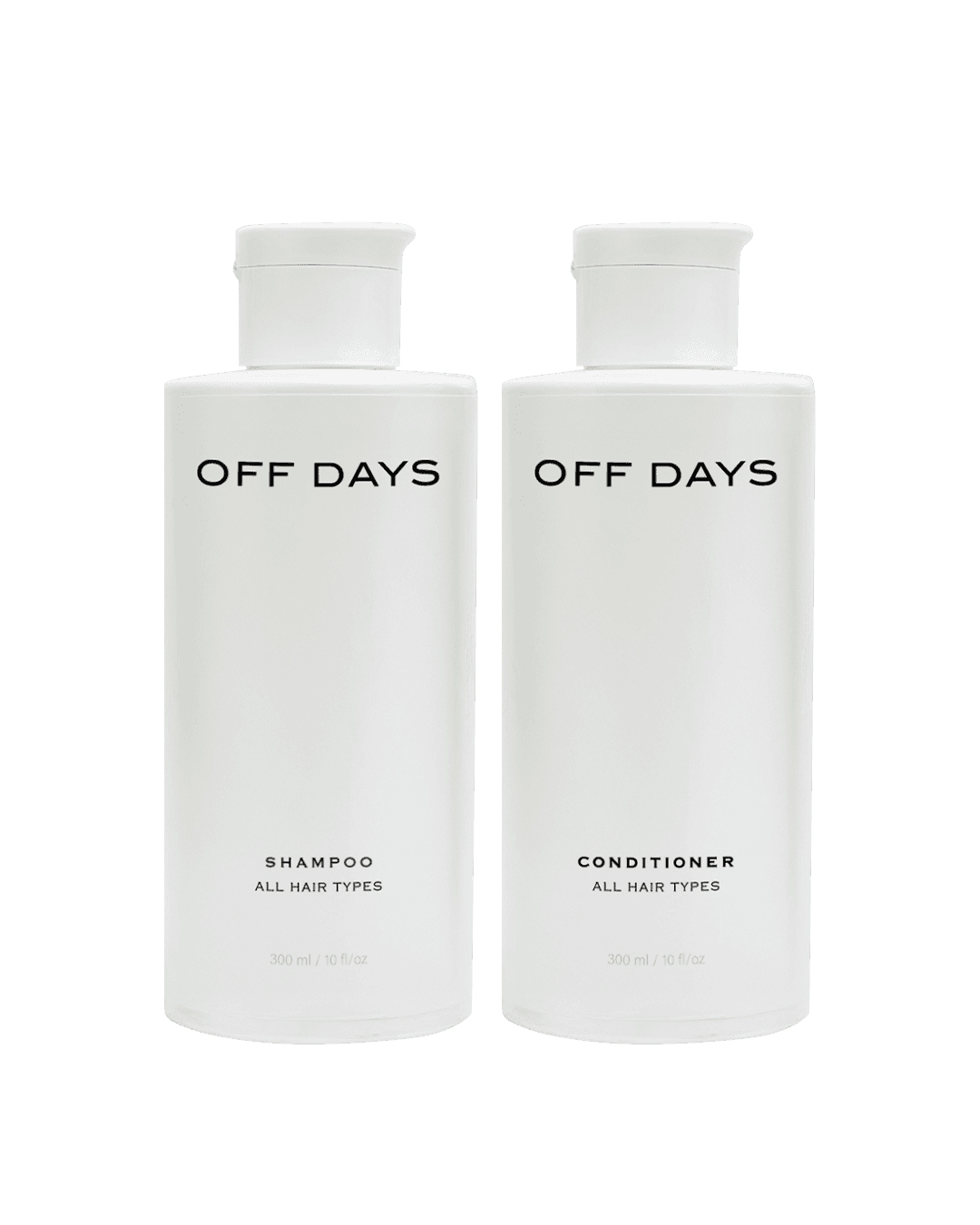
Rod: Sulphate-free cleansing is about preserving what your hair already has. Traditional sulphates can be too harsh, particularly for colour-treated hair, because they strip away natural oils along with colour pigments. Over time, this leads to faster fading, dryness, and loss of shine.
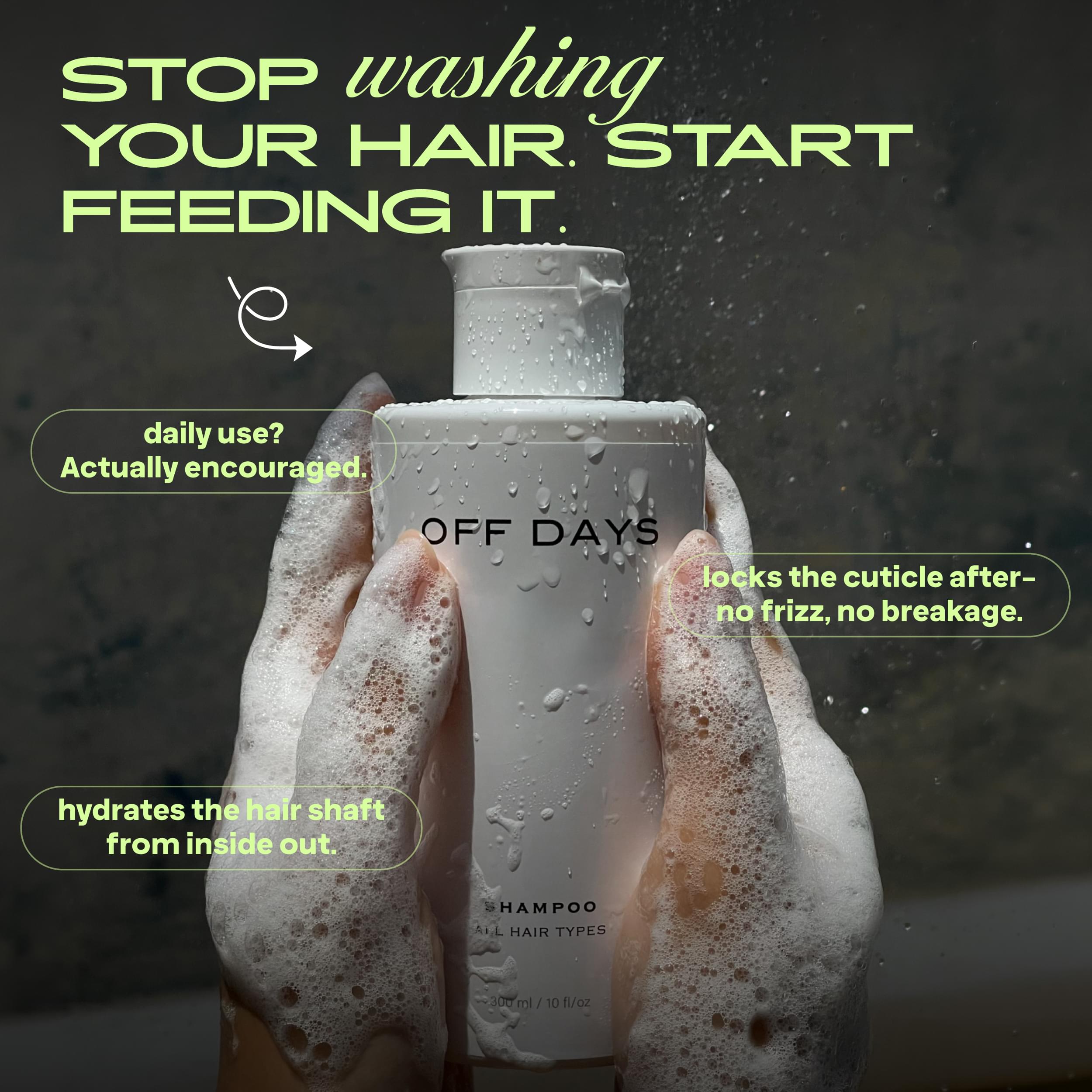
Gentler surfactants cleanse without aggressively opening the cuticle, which helps colour last longer and keeps hair feeling softer between washes. This is especially important in India, where frequent washing is common due to heat, workouts, and humidity. If you’ve invested in highlights, global colour, or chemical treatments, sulphate-free care supports longevity — not just of the colour, but of overall hair health.
Q: How important is ingredient awareness for everyday hair care?
Rod: Very important. Ingredients should support the scalp and hair fibre, not overwhelm them. Botanical extracts, lightweight oils, and conditioning agents that hydrate without coating the hair make a visible difference over time. Familiar ingredients like aloe, amla, and bhringraj work best when they’re formulated thoughtfully and used consistently.
Q: What role does protection play in maintaining hair health?
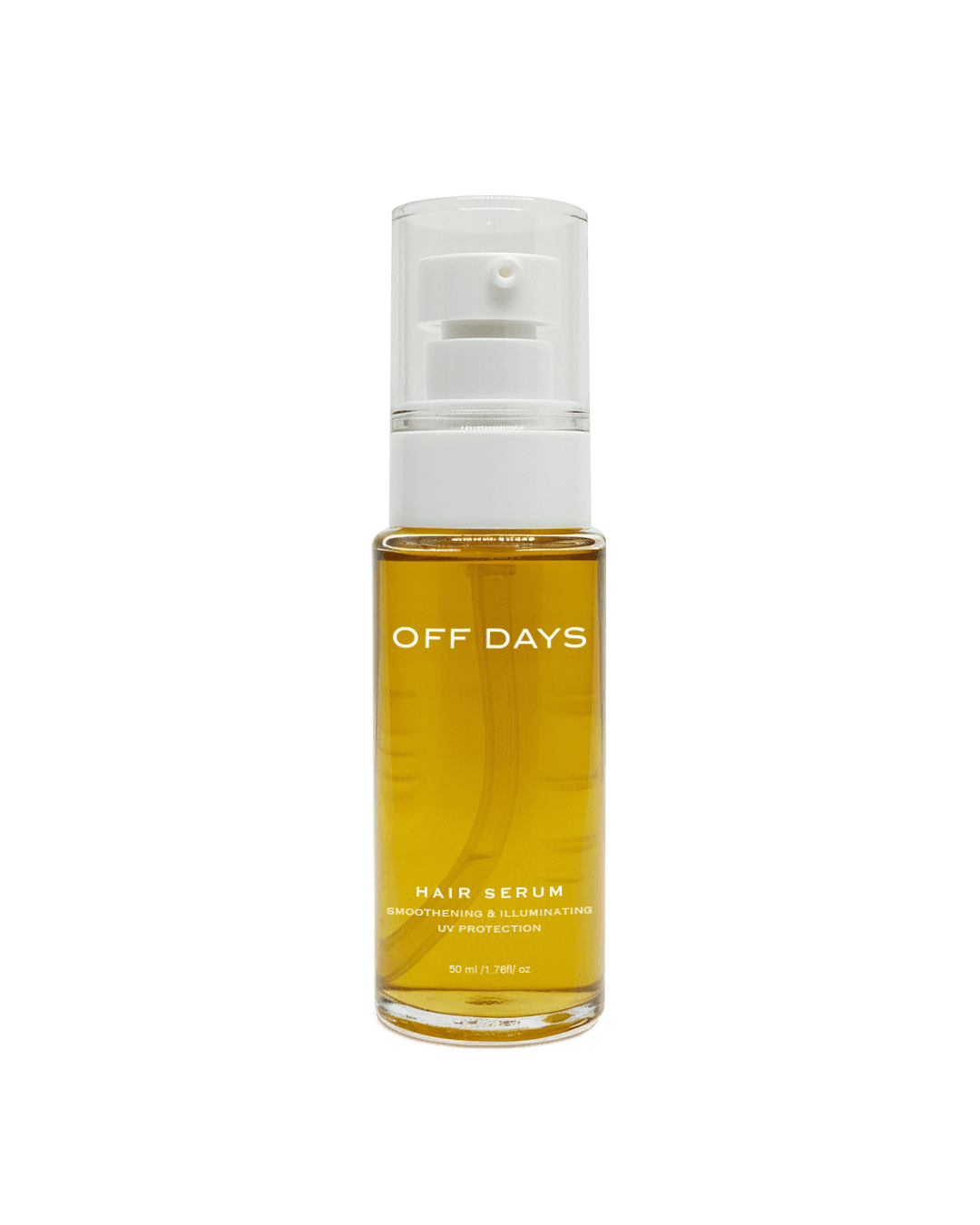
Rod: Protection is essential. Heat styling, sun exposure, and pollution slowly weaken the hair cuticle. A lightweight serum that smooths, seals in moisture, and protects against daily damage can help hair feel resilient and manageable between washes. It’s not about instant shine — it’s about long-term strength.
Q: Looking ahead, what hairstyles and hair trends do you see defining 2026?
Rod: 2026 is about effortless structure. We’ll see a move away from overly styled, high-maintenance looks toward cuts that grow out well and work with natural texture. Think soft layers, modern bobs, lived-in lengths, and fringes that feel intentional but low effort.
There’s also a growing appreciation for hair that looks healthy rather than overly “done.” Natural movement, air-dried finishes, and subtle shaping will be key. In India especially, people want styles that survive humidity, travel, and real life. The focus will be on cuts that need fewer touch-ups and products — hairstyles that look good on off days, not just special occasions.
Q: If someone wants to reset their routine going into the next year, what’s your advice?
Rod: Simplify. Focus on products and haircuts that respect your hair and your lifestyle. Consistency, gentle care, and protection will always do more than chasing trends. Good hair days aren’t about doing more — they’re about doing what works.